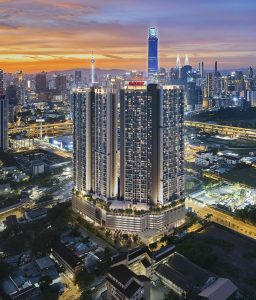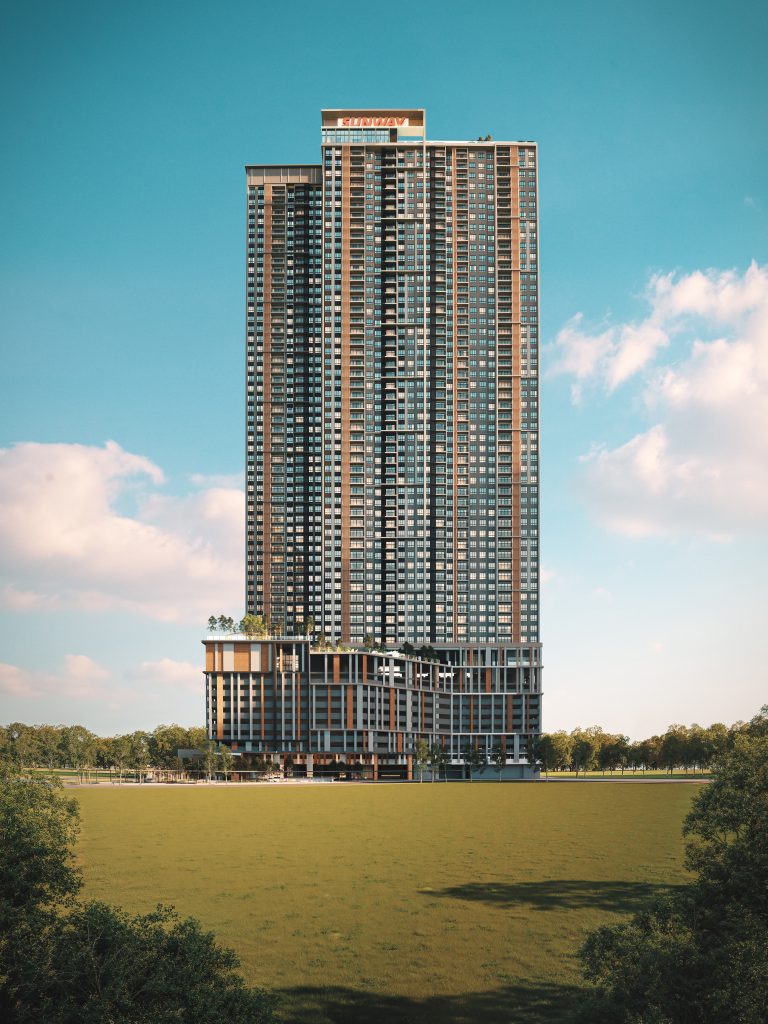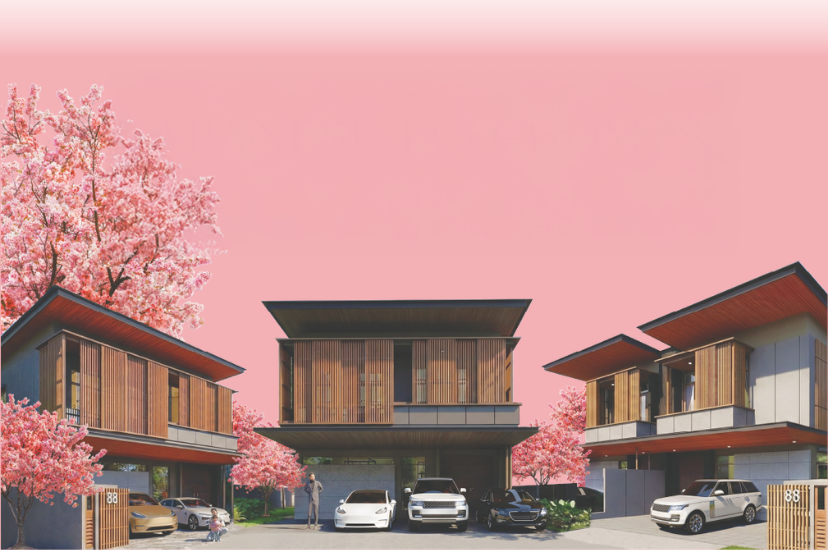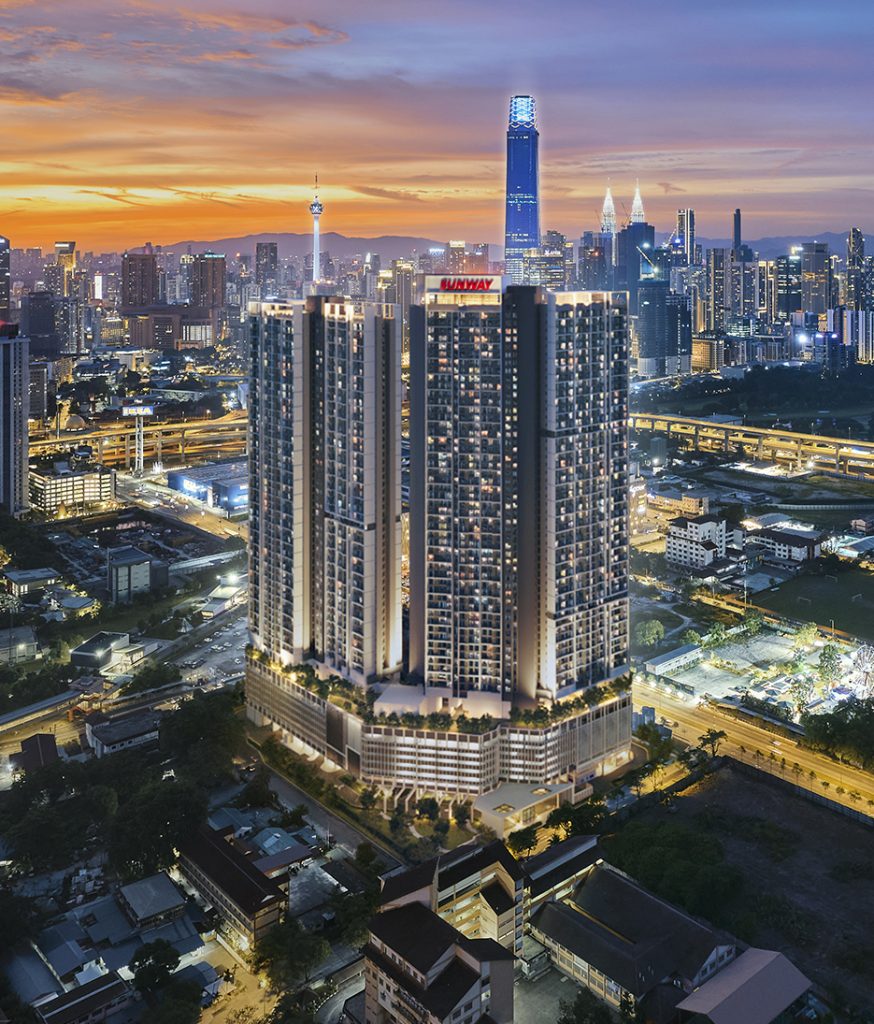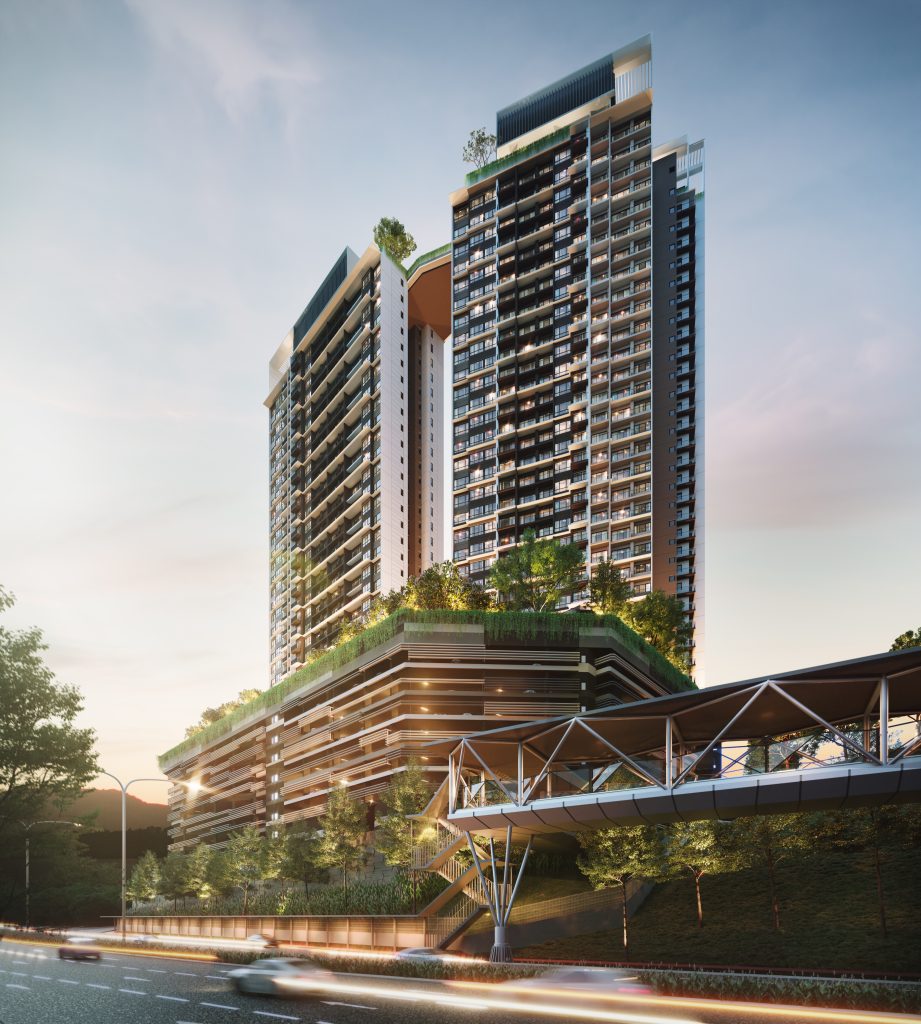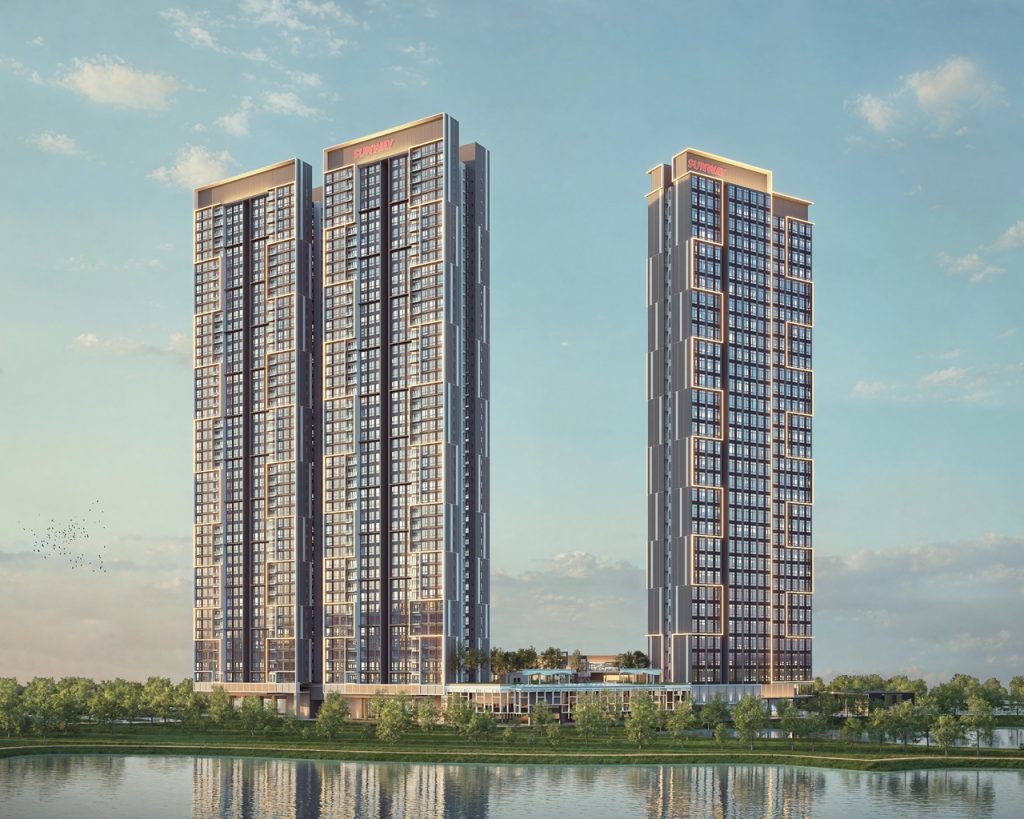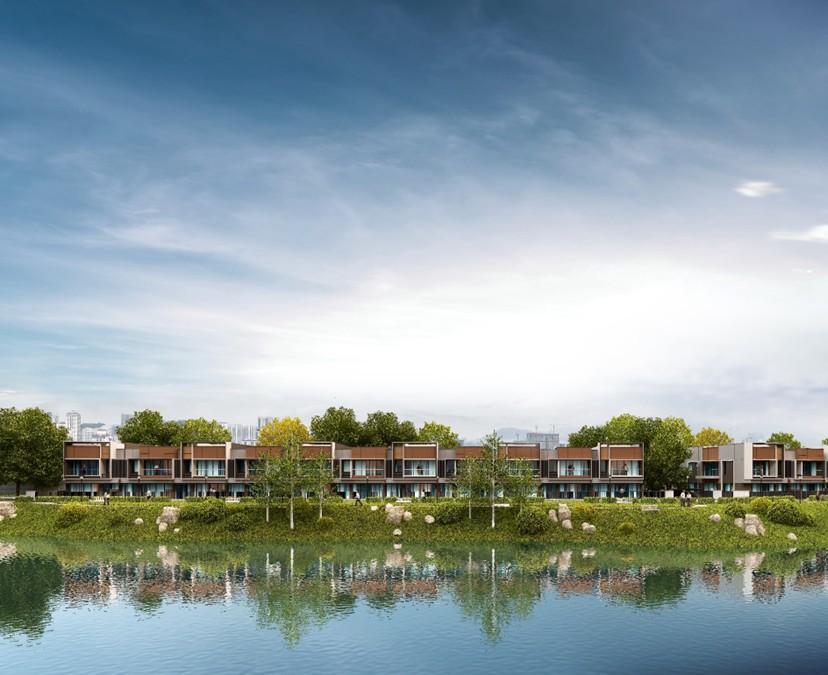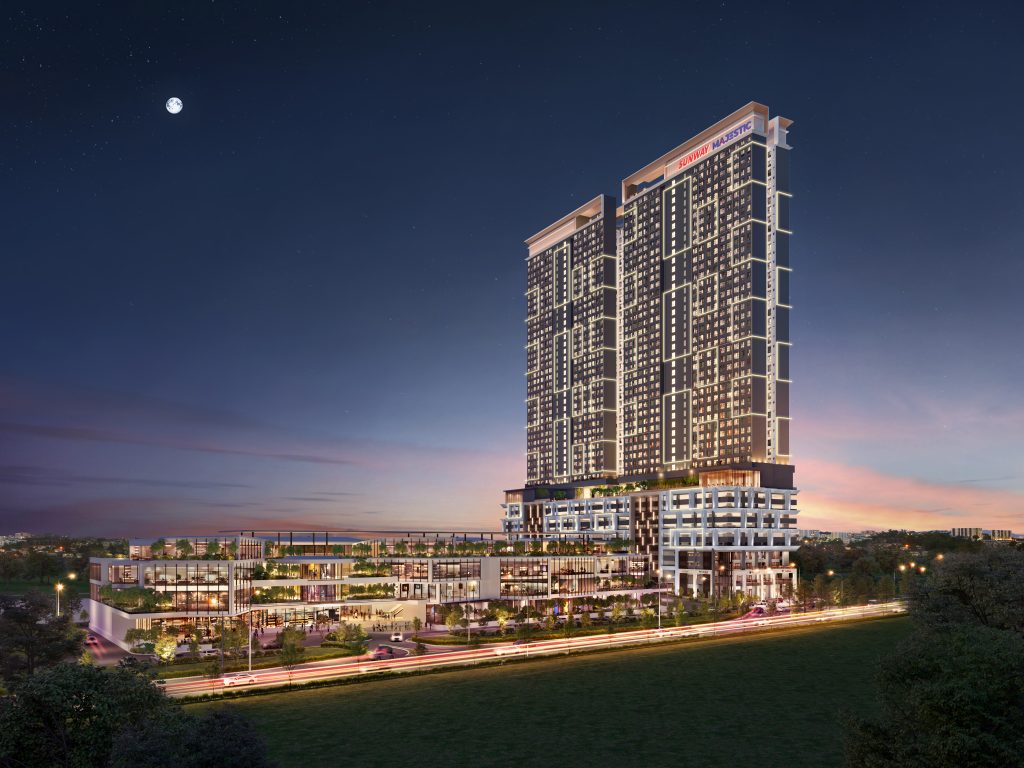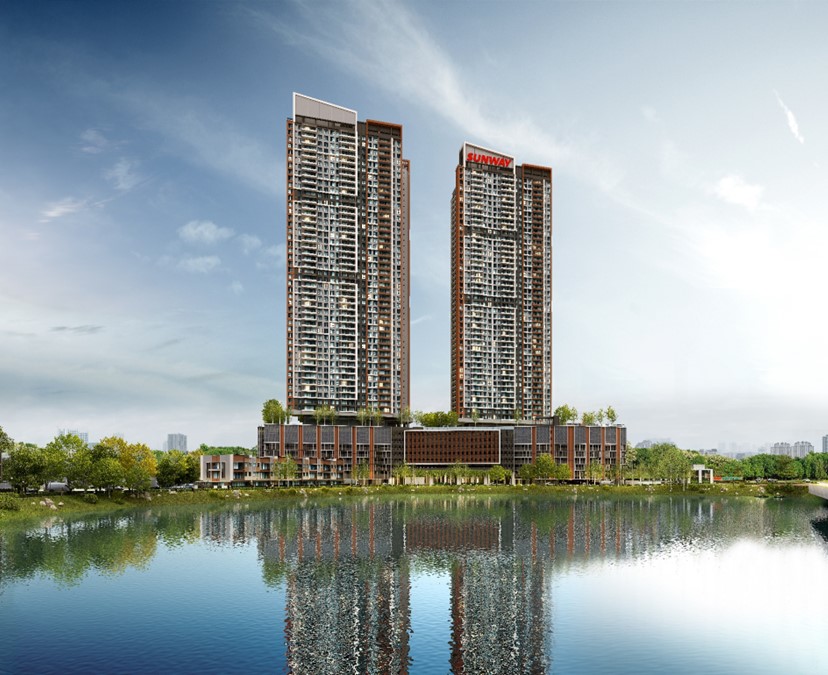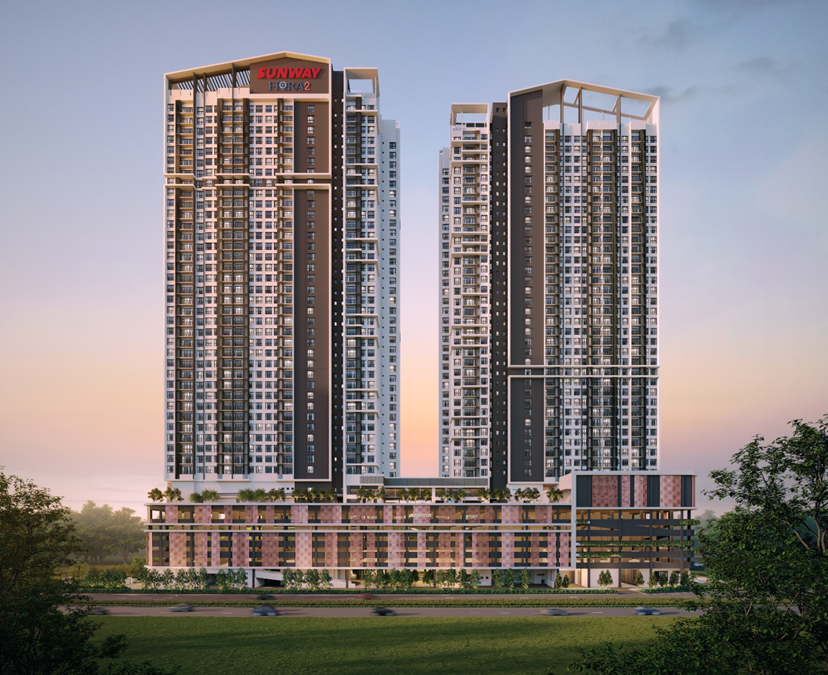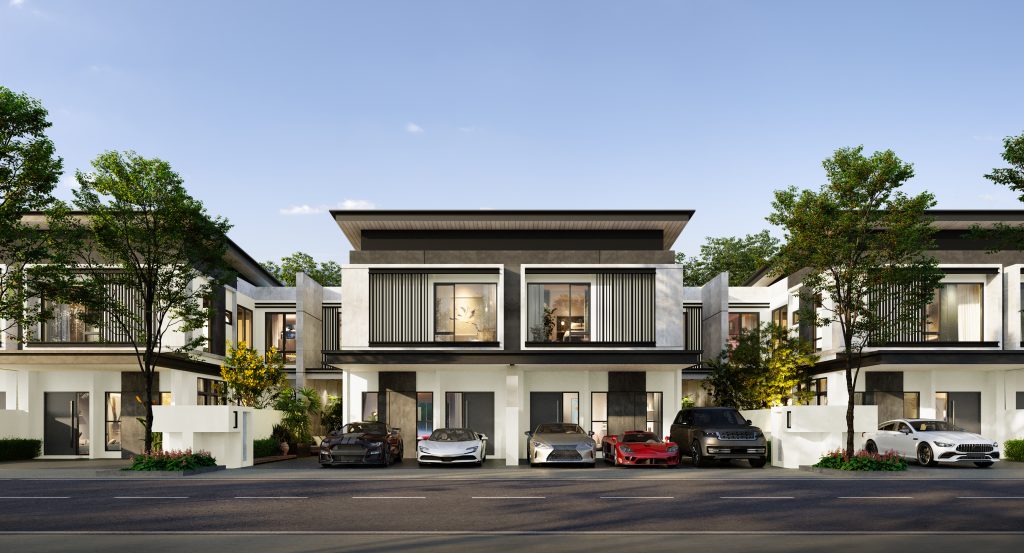






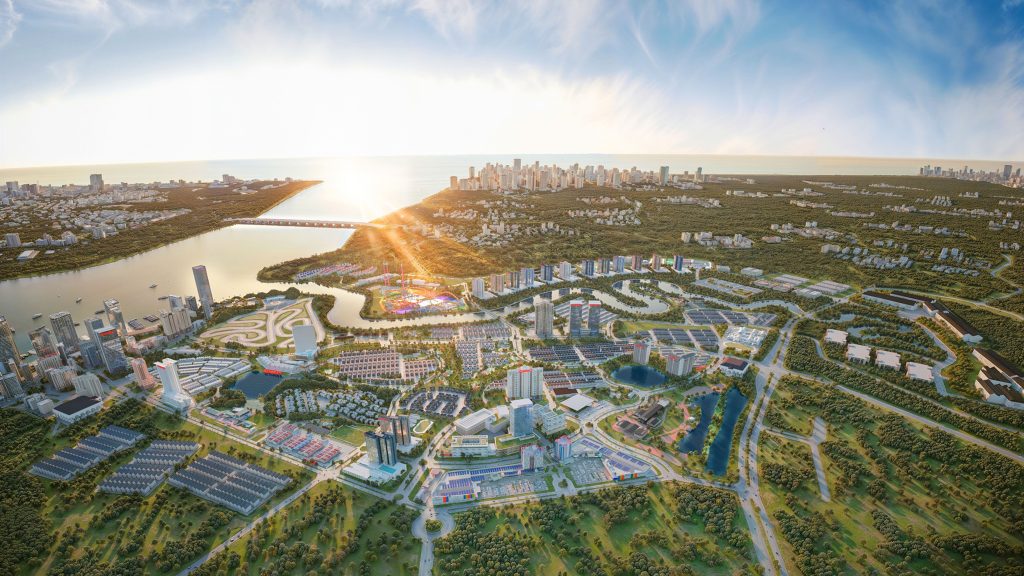
A simulated aerial image of Sunway City Iskandar Puteri.
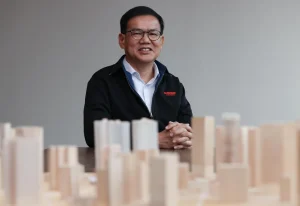
Contributed by Pu Suan Hau
Ask any cross-border professional why they are considering a move to Johor and the answers come quickly. The conventional story of Malaysians working in Singapore, looking for cheaper housing and willing to endure the Causeway is no longer what is driving Johor’s residential demand. In fact, the professionals being drawn to the southern corridor are regional talent relocating to Johor for roles created by the Johor-Singapore Special Economic Zone (JS-SEZ) itself.
Furthermore, the Johor Bahru–Singapore Rapid Transit System (RTS) Link, with its projected 300,000 daily ridership, shortens the Causeway commute and makes cross-border living structurally viable at scale. This, alongside the creation of at least 20,000 high-skilled jobs, will soon transform Johor-Singapore into a single, connected economic system where regional cross-border professionals can live in one and work in either.
Ask these regional professionals what would make them stay for the long-term and the conversation changes entirely. A policy can attract but it may not always retain. That requires a different kind of conviction from professionals themselves. Their decisions are increasingly decided by whether the local ecosystem can match the professional and lifestyle standards they have grown accustomed to.
Having spent a significant portion of my life and career in Singapore while maintaining roots in Malaysia, I understand the trade-offs inherent in cross-border decisions. These are not just economic decisions but personal ones – involving time, family, daily commute and overall quality of life.
The distinction between attraction and retention is already visible in how people and companies are making decisions on the ground. Sunway Property’s decades of experience across Johor Bahru City Centre, Iskandar Puteri and beyond – alongside its broader portfolio across Malaysia – have made one thing clear: attracting talent is only the first step. Retaining it requires creating places that continue to make sense long after the initial decision to move.
The data tells a clear story
Sunway Property’s flagship township in Johor, Sunway City Iskandar Puteri (SCIP), is located just 5km from Singapore’s Tuas Second Link. It was conceived as a self-sustaining integrated township with elements and infrastructure to support long-term liveability for cross-border professionals. Positioned within the economic zone, it serves as a primary case study for why talent stays in townships where proximity to Singapore is matched by the ability to build a complete life on the Malaysian side.
Our story in SCIP begins with ownership. Approximately 70% of SCIP’s residential units are owner-occupied — a stark contrast to much of Johor’s speculative high-rise stock where investor ownership dominates. The owner-occupation ratio here is more than a preference metric; it is a commitment signal. People who own where they live are making their decisions with a decade-long perspective in mind.
More telling still is the demographic breakdown. Half of all homebuyers at SCIP are Singaporean nationals or Malaysians working in Singapore. These are professionals with genuine optionality. They could have chosen condominiums across the Causeway in locations marketed on proximity alone. Instead, they chose to put down roots in Iskandar Puteri and they are staying. We see this reflected in repeat buyer patterns where residents who began in SCIP’s entry-level high-rises have upgraded within the township to landed homes, signalling confidence in the ecosystem’s continued evolution.
This phenomenon extends to our own Sunway Property staff as well. “As someone who has spent close to a decade with Sunway and worked first-hand on these developments, purchasing and eventually upgrading within SCIP felt like a complete no-brainer. For me, it came down to trust. Having a front-row seat to how Sunway plans and builds its communities gave me confidence not just in the product but in the long-term vision behind it. While other developments offer a place to live, SCIP offers a sense of place and belonging. Choosing to anchor my own family’s future here is the ultimate reflection of that trust and there is no greater endorsement than choosing to live in the very vision you helped build,” said Sunway Property (Southern Region) marketing manager Polly.
We consistently hear similar reasons from residents: access to education, safety, a well-integrated township environment, convenience and connectivity. These are not short-term considerations. They are long-term considerations for staying and putting down roots within a community.
What this collectively reveals is straightforward: the residents who put down the deepest roots may not be those who found the best deal at the point of purchase. They are the ones who found a place that works – professionally and personally, over time.
The same logic applies to companies. When organisations establish an operational base in Iskandar Puteri, they are not simply responding to policy announcements. They are making forward-looking bets that the talent they bring in will not just come but also remain.
Companies do not make capital commitments based on initial attraction. They commit capital when retention is certain.
We’ve observed that the companies choosing to base operations in Iskandar Puteri are making location decisions grounded in a simple reality: their people are already in Johor. NEC’s choice of SCIP, Dimerco’s choice of Wisma Sunway Big Box and Equalbase’s choice to co-locate with us reflect a calculation about ecosystem stability. These decisions signal confidence in our ecosystem’s infrastructure and quality of life in supporting their workforce for the long-term.
Thinking beyond the handover
These decisions drive our responsibility and role as a developer. It is not enough to build units that meet initial demand. We must build townships that anticipate the needs of residents who will be here in 2035, not just in 2026.
At Sunway City Iskandar Puteri, we’ve made investments that reflect this long-term commitment. We’ve invested over RM12mil into Sunway Emerald Lake as a community anchor and a long-term focal point for resident well-being. We’ve prioritised education access by establishing Sunway International School and SJK (C) Cheah Fah to serve families making multi-decade commitments to the region. We’ve ensured that Wisma Sunway Big Box maintains 85%+ occupancy — well above the 51.8% Johor office average — precisely because the ecosystem around it is functioning.
Our commercial tenants stay because the residential base around them is stable; our residents stay because they have found a place that serves their professional and personal lifestyle needs. This interdependence is what defines staying power.
These investments are Sunway Property’s infrastructure of retention. When Sunway Puteri Hills opens in Q3 2026 as an upscale dining and culinary destination and when Jeffrey Cheah Circuit becomes a functional motorsport hub, they will signal continued conviction in the long-term resident experience. But that signal only matters if it is backed by the fundamentals: a place where any professional can build a career arc, raise a family and do so with confidence that the community will evolve with their needs rather than stagnate after the initial sales cycle.
The strategic shift that will define the market
The conventional real estate narrative in emerging markets focuses on the moment of attraction: the policy window, the infrastructure catalyst, the price point that creates urgency. Developers have thus far competed on who captures demand fastest, not on who retains residents longest.
Johor’s next chapter will be defined by a different competition. As policy and infrastructure bring talent to the southern corridor, the developers who win will be the ones who recognise that attraction is about reading the moment but retention is about building for the decade.
The cross-border professionals staying in Johor are not making short-term decisions. They are making life-defining commitments. As developers, we must build on that same timeline.
Furthermore, the Johor Bahru–Singapore Rapid Transit System (RTS) Link, with its projected 300,000 daily ridership, shortens the Causeway commute and makes cross-border living structurally viable at scale. This, alongside the creation of at least 20,000 high-skilled jobs, will soon transform Johor-Singapore into a single, connected economic system where regional cross-border professionals can live in one and work in either.
Ask these regional professionals what would make them stay for the long-term and the conversation changes entirely. A policy can attract but it may not always retain. That requires a different kind of conviction from professionals themselves. Their decisions are increasingly decided by whether the local ecosystem can match the professional and lifestyle standards they have grown accustomed to.
Having spent a significant portion of my life and career in Singapore while maintaining roots in Malaysia, I understand the trade-offs inherent in cross-border decisions. These are not just economic decisions but personal ones – involving time, family, daily commute and overall quality of life.
The distinction between attraction and retention is already visible in how people and companies are making decisions on the ground. Sunway Property’s decades of experience across Johor Bahru City Centre, Iskandar Puteri and beyond – alongside its broader portfolio across Malaysia – have made one thing clear: attracting talent is only the first step. Retaining it requires creating places that continue to make sense long after the initial decision to move.